
The ATEM Mini Pro, a compact live production switcher, gained traction in late 2025, facing TLS 1;1 phasing out concerns by January 5, 2026.
Remote editing workflows utilizing the ATEM Mini Pro experienced signal interruptions, particularly when feeding outputs to platforms like OBS, Teams, or Zoom.
Users explored firmware downgrades, as of July 8, 2025, to address compatibility issues, while others focused on isolating input sources for troubleshooting, like flip charts.
What is the ATEM Mini Pro?
The ATEM Mini Pro represents a remarkably compact all-in-one live video production switcher, designed for streamers, podcasters, and anyone needing a professional broadcast quality output in a portable form factor. Emerging as a popular choice in late 2025, it quickly became a central component in many remote production setups.
It’s more than just a switcher; it integrates a built-in encoder allowing for direct streaming via popular platforms. However, discussions in early 2026 highlighted potential issues with its reliance on TLS 1.1, a security protocol nearing end-of-life. This prompted users to investigate potential workarounds and updates.
The device supports multiple HDMI inputs, enabling switching between various sources like cameras, computers, and game consoles. Its compact size and relatively simple interface make it accessible to both beginners and experienced professionals, though troubleshooting signal dropouts, particularly with HDMI inputs, became a common topic of discussion among users.
Key Features and Specifications
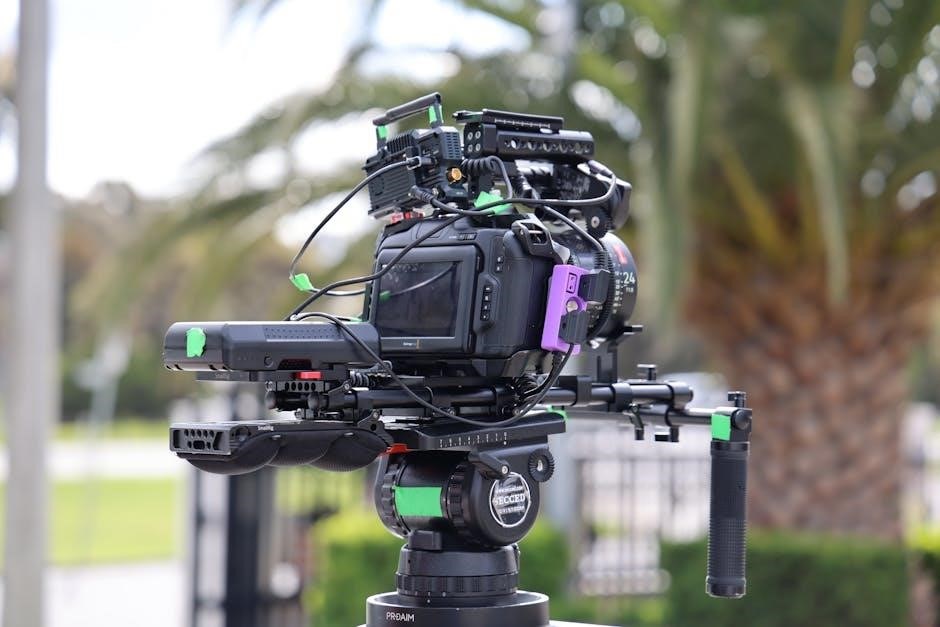
The ATEM Mini Pro boasts a robust feature set within its compact design. Key specifications include multiple HDMI inputs for connecting cameras and other sources, alongside an HDMI output for program monitoring. Notably, it offers a remarkably low video delay – just one frame for non-genlocked sources, and zero when genlocked, crucial for live production.
It supports direct streaming to platforms like YouTube, Facebook, and Twitch, and includes a built-in encoder. The ATEM Control Protocol, while proprietary, has been partially reverse-engineered by third parties like Skaarhoj, enabling advanced control options.
Users in 2025 and 2026 frequently discussed potential compatibility issues related to TLS 1.1 phasing out, impacting remote control functionality. The device also allows for input labeling via the ATEM Software Control Panel, enhancing workflow organization.
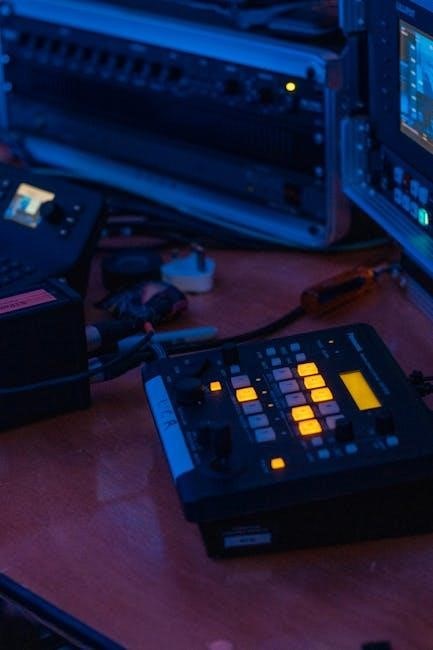
Setting Up Your ATEM Mini Pro
Initial setup involves connecting HDMI inputs/outputs, powering the device, and installing the ATEM Software Control. Signal dropouts on HDMI outputs were reported in 2020.
Connecting Inputs and Outputs
Establishing connections is fundamental to operating the ATEM Mini Pro. Four HDMI inputs accommodate various sources – cameras, computers, or game consoles. The HDMI output connects to a display for monitoring the program feed. A crucial troubleshooting step, documented as early as July 29, 2020, involves isolating inputs to identify signal issues; connecting only a flip chart to input one, for example, can pinpoint the source of dropouts;
The ATEM Mini Pro’s HDMI output sometimes displays correctly only with test patterns like black or color bars, but fails with live inputs. This suggests potential compatibility or signal strength concerns. Ensure high-quality HDMI cables are used, and test different cables if experiencing signal loss. Remember that the ATEM Mini Pro has a very low video delay – one frame for non-genlocked sources, and zero when genlocked.
Carefully consider your output configuration, utilizing the software to label outputs for clarity, as discussed on January 23, 2020. Proper labeling streamlines workflow and reduces confusion during live productions.
Powering the Device and Initial Boot
Powering on the ATEM Mini Pro is straightforward, but crucial for a stable setup. Connect the provided power adapter to the device and a suitable power outlet. The device doesn’t have an internal battery, so external power is always required for operation. Upon initial boot, the ATEM Mini Pro will run a self-test, indicated by the front panel LEDs. Allow this process to complete before attempting any configuration.
During troubleshooting, a complete power cycle – disconnecting and reconnecting the power adapter – is often recommended, especially after firmware updates or when encountering connectivity issues. Remember that isolating inputs, like disconnecting all devices except a flip chart, is a useful diagnostic step before powering on, as noted in January 18, 2024.
Ensure the power supply meets the device’s requirements to avoid instability. A stable power source is essential for reliable live production.
Software Control and Installation
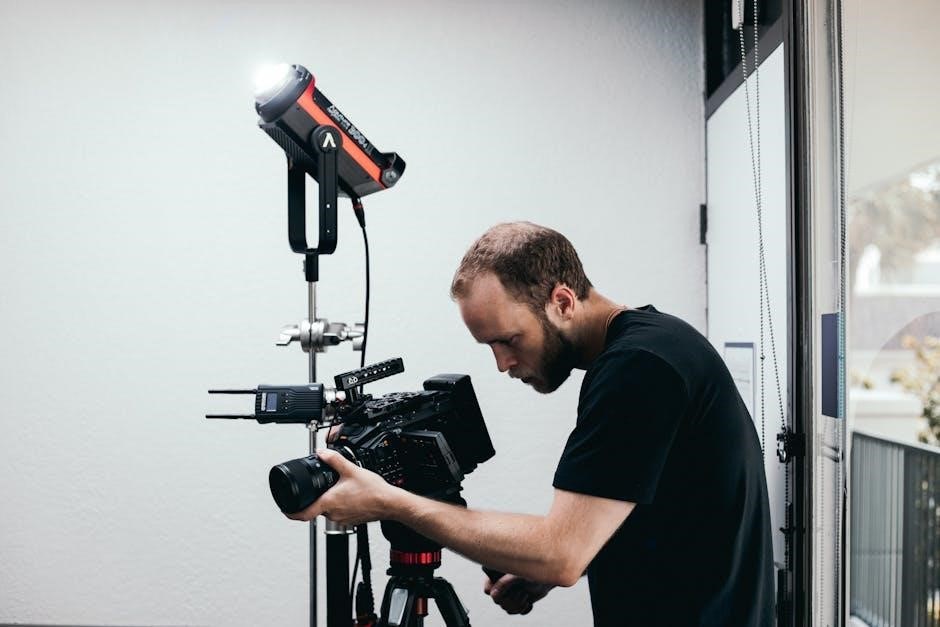
ATEM Software Control is essential for unlocking the full potential of your ATEM Mini Pro. Download the latest version from the Blackmagic Design website. Installation is typically a standard process for your operating system – follow the on-screen prompts carefully.
The software allows for detailed control over all aspects of the switcher, including input selection, program/preview switching, audio mixing, and effects. Compatibility with the Blackmagic Design Micro Studio Camera 4K is confirmed, enabling camera settings control like ISO and color adjustments, as of August 6, 2025.
Ensure your system meets the minimum requirements for optimal performance. Keep the software updated to benefit from bug fixes and new features. Remember the TLS 1.1 phase-out impacting remote editing workflows, potentially affecting software connectivity.
Understanding the ATEM Mini Pro Interface
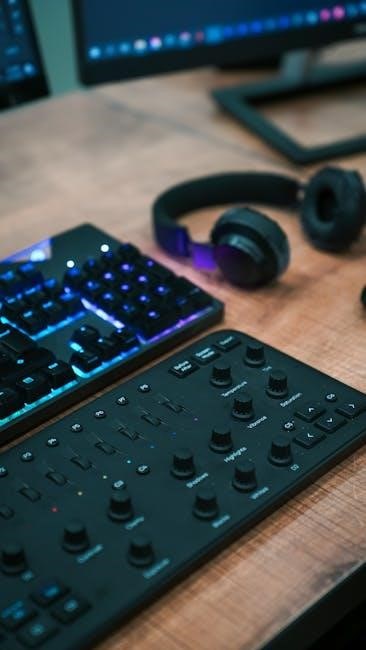
The ATEM Mini Pro features physical buttons for core functions, complemented by the ATEM Software Control Panel for in-depth adjustments and menu navigation, as of 2025.
Physical Buttons and Controls
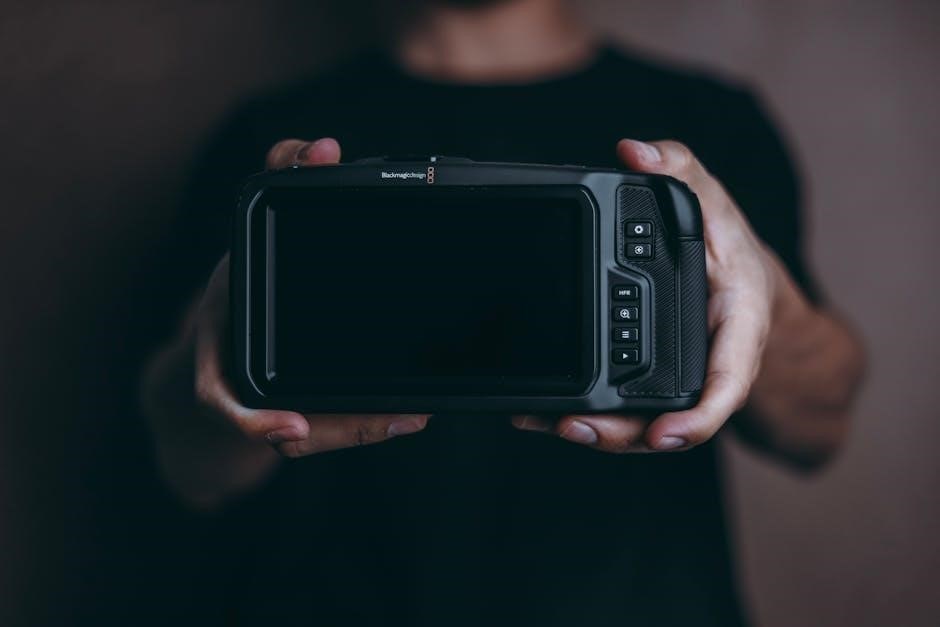
The ATEM Mini Pro boasts a streamlined physical interface designed for quick, hands-on control during live productions. The front panel houses essential buttons for program/preview switching, allowing direct selection of the video source displayed on the output. Dedicated buttons facilitate upstream keyer control, enabling the application of graphics and overlays.
Audio controls are readily accessible, permitting adjustments to the levels of each input channel. A crucial feature is the tally indicator, visually confirming which camera or source is currently live. The auto button simplifies transitions, while the macro buttons allow users to execute pre-programmed sequences of actions with a single press. These physical controls offer a tactile and responsive experience, complementing the software-based control options.
Furthermore, the interface includes buttons for selecting different program presets, streamlining workflow during complex broadcasts. The overall layout prioritizes intuitive operation, making it easy for operators to manage live video switching efficiently.
ATEM Software Control Panel Overview
The ATEM Software Control Panel provides a comprehensive interface for managing all aspects of the ATEM Mini Pro. Upon launching, users are presented with a multi-panel layout mirroring a professional broadcast switcher. The program and preview rows display the currently selected sources, while the bus layout allows for complex video routing and effects layering.
Dedicated sections control audio mixing, color correction, and media pool management. Input labeling functionality, accessible within the software, enables clear identification of connected sources. Output configuration options allow customization of video signals. The panel facilitates detailed control over keyers, DVEs, and macros, extending the switcher’s capabilities.
Crucially, the software allows remote control of Blackmagic Design Micro Studio Camera 4K settings, including ISO and color adjustments, enhancing workflow flexibility. It’s a powerful tool for both simple and intricate live productions.
Navigating the Menu System
The ATEM Mini Pro’s on-device menu system, accessed via the physical buttons, offers direct control over core settings. While the ATEM Software Control Panel provides a more visual experience, understanding the menu structure is vital for quick adjustments. The primary menu branches include Video, Audio, Setup, and System.
Within ‘Video’, users can adjust input configurations and output resolutions. ‘Audio’ allows for gain staging and monitoring control. ‘Setup’ manages network settings and labeling options for both inputs and outputs – a feature discussed in forum posts from October 21, 2025. ‘System’ handles firmware updates and device information.
Navigation relies on the control dial and select button. Remember that firmware downgrades, as explored in January 2024, can sometimes alter menu options, so consult the latest documentation.
Troubleshooting Common Issues
Signal dropouts on HDMI outputs, particularly with certain inputs (as noted July 29, 2020), and TLS 1.1 phasing out (by January 5, 2026) are frequent concerns.
HDMI Signal Dropouts
Experiencing intermittent HDMI signal loss is a commonly reported issue with the ATEM Mini Pro, particularly when displaying inputs other than basic test patterns like black or color bars. Reports from July 29, 2020, indicate the HDMI output functions correctly with these static visuals, but fails when switching to live camera feeds or other HDMI sources.
Troubleshooting steps include isolating the problem by connecting only one HDMI source (like a flip chart, as suggested January 18, 2024) to the ATEM Mini Pro, powering down, disconnecting all other devices, and then powering back on. This helps determine if the issue lies with a specific input or the ATEM Mini Pro itself.
Furthermore, ensure all HDMI cables are securely connected and of good quality. Investigate potential compatibility issues with specific cameras or devices. While less common, firmware updates or downgrades (discussed elsewhere) might address underlying signal handling problems. Remember to check the Blackmagic Design support forums for the latest information and potential workarounds.
Firmware Updates and Downgrades
Maintaining up-to-date firmware on your ATEM Mini Pro is crucial for optimal performance and compatibility. However, the impending phase-out of TLS 1.1 support by January 5, 2026, has prompted some users to explore firmware downgrades as a potential workaround for connectivity issues. Discussions from March 30, 2021, highlight concerns about the ATEM Mini Pro’s reliance on this older security protocol.
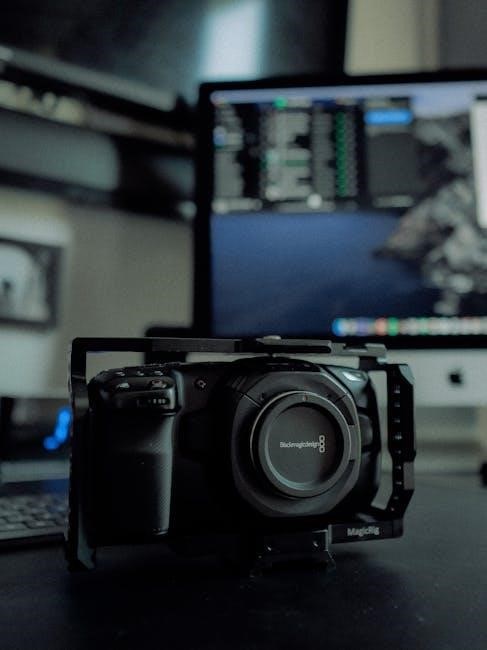
Blackmagic Design regularly releases firmware updates to address bugs, improve stability, and add new features. These updates are typically available through the ATEM Software Control Panel. Before updating, always back up your current settings. Conversely, downgrading firmware can be complex and potentially risky, so proceed with caution and follow official Blackmagic Design instructions carefully.
Reports from July 8, 2025, suggest firmware adjustments can resolve signal dropouts and other operational quirks. Always research the implications of any firmware change before implementing it.
Connectivity Problems with Cameras
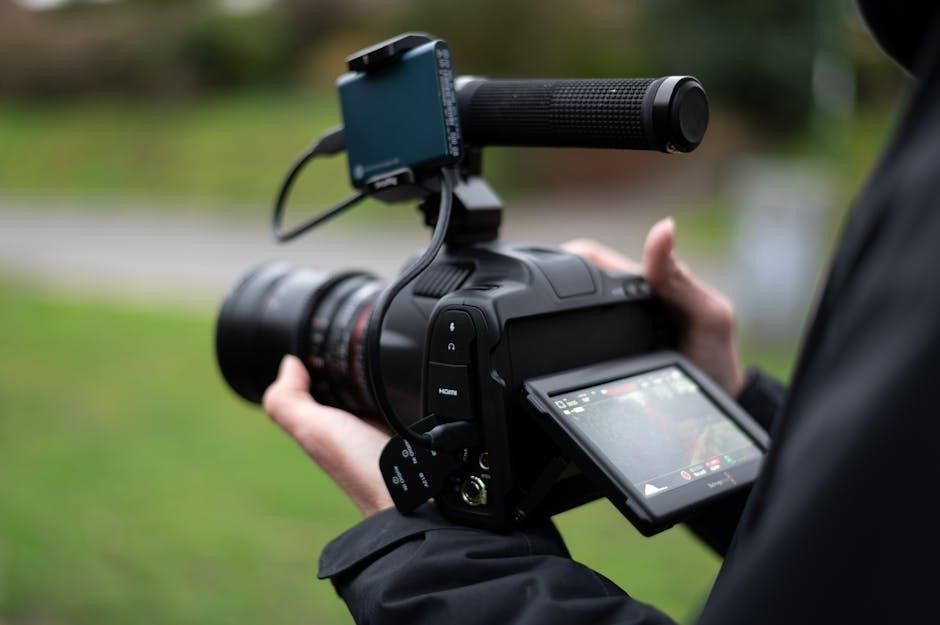
Establishing stable camera connections is fundamental to successful live production with the ATEM Mini Pro. Users have reported intermittent signal dropouts, particularly when utilizing the HDMI outputs, as noted on July 29, 2020. The signal may appear correctly on a TV displaying black or color bars, but fail when switching to a live camera input.
Troubleshooting often involves isolating the issue by connecting only one camera to the ATEM Mini Pro, powering down other devices. This helps determine if a specific camera or cable is causing the problem. Compatibility with the Blackmagic Design Micro Studio Camera 4K has been questioned, with users inquiring about control via the ATEM Software Control Panel (August 6, 2025).
Ensure proper cable connections and consider testing with different HDMI cables to rule out a faulty connection.
Advanced Features and Techniques
The ATEM Control Protocol, reverse-engineered by Skaarhoj up to version 7.5, enables external control. The ATEM Mini Pro boasts minimal video delay—one frame without genlock.
Using the ATEM Control Protocol
The ATEM Control Protocol, while officially proprietary, has been remarkably reverse-engineered by Skaarhoj, achieving full functionality up to version 7.5 and making it publicly available. This opens doors for developers and advanced users to create custom control solutions beyond the standard ATEM Software Control Panel.
Leveraging this protocol allows integration with third-party automation systems, custom hardware interfaces, and even scripting environments. Users can programmatically control virtually every aspect of the ATEM Mini Pro, including program/preview switching, input selection, audio mixing, and media pool playback. This level of control is invaluable for complex live productions requiring precise synchronization and automation.
However, it’s crucial to understand that the protocol is subject to change with future Blackmagic Design firmware updates. Maintaining compatibility requires ongoing monitoring and potential adjustments to custom control applications. Despite this, the availability of the reverse-engineered protocol significantly expands the ATEM Mini Pro’s capabilities for power users.
Genlocking and Video Delay
The ATEM Mini Pro boasts impressively low video delay characteristics, a critical factor for live production. For non-genlocked video sources, the inherent delay is a mere one video frame. This minimal delay ensures a responsive and natural viewing experience, minimizing noticeable lag between input and output.
However, the true power of the ATEM Mini Pro lies in its ability to achieve zero video delay when all input sources are genlocked. Genlocking synchronizes all incoming video signals to a common reference, eliminating timing discrepancies and ensuring perfect alignment.
Adding video effects, such as transitions or keyers, will introduce a slight delay. Nevertheless, the ATEM Mini Pro remains among the lowest-delay switchers available, making it ideal for applications demanding precise timing and synchronization, even with effects processing.
Input Labeling and Output Configuration
The ATEM Mini Pro offers robust input labeling capabilities directly within the ATEM Software Control panel. This feature allows users to assign descriptive names to each input, simplifying source identification during live production. Conveniently located next to the input labeling options is a dedicated button for configuring output labels as well.
Customizing input and output labels enhances workflow efficiency, particularly in complex setups with multiple cameras and sources. Clear labeling minimizes confusion and ensures quick access to the desired input or output during a live broadcast or recording.
Proper configuration of output labels is crucial for directing signals to the correct destinations, such as recorders, streaming platforms, or auxiliary monitors. The software interface provides an intuitive way to manage these settings.
Security Considerations
The ATEM Mini Pro faces security implications due to the TLS 1.1 phase-out by January 5, 2026, potentially impacting remote control and data transmission protocols.
TLS 1.1 Phase-Out and Implications
The ATEM Mini Pro’s reliance on TLS 1.1 presents a growing security concern as this protocol is being deprecated across the internet. Discussions in late 2025 highlighted that support for TLS 1.1 was scheduled to end around January 5, 2026. This phase-out directly impacts functionalities relying on secure communication, potentially disrupting remote control and access to the switcher.
Specifically, users engaging in remote editing workflows, or those utilizing the ATEM Mini Pro with software control panels, may encounter connectivity issues or experience failures in establishing secure connections. The implications extend to any feature requiring authentication or encrypted data transfer. Blackmagic Design has not officially released information regarding updates to support newer TLS versions, leaving users to anticipate potential disruptions.
It is crucial for ATEM Mini Pro users to monitor Blackmagic Design’s official announcements for firmware updates addressing this vulnerability. Proactive measures, such as ensuring all related software and systems are updated, are recommended to mitigate potential risks associated with the TLS 1.1 phase-out.