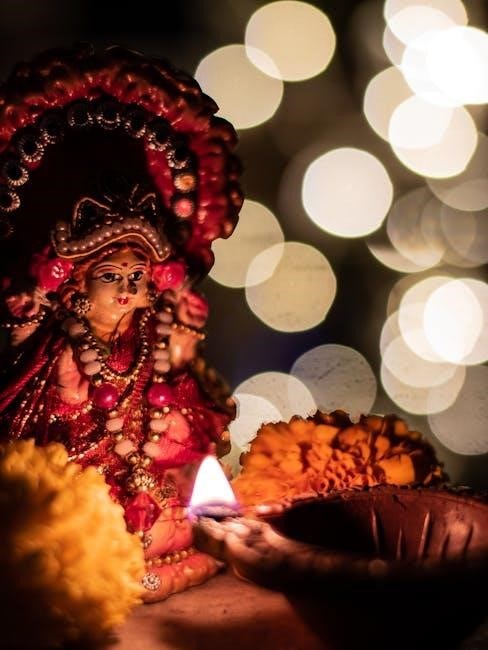
Mahalakshmi Ashtakam: A Comprehensive Guide (Telugu)
This guide delves into the Mahalakshmi Ashtakam, a revered hymn dedicated to the Goddess of Wealth and Prosperity. Resources like Vignanam.org and Stotranidhi.com offer the Mahalakshmi Ashtakam in Telugu, often available as a PDF for convenient access and devotional practice.
The Mahalakshmi Ashtakam is a beautiful and potent hymn composed in Sanskrit, glorifying Goddess Mahalakshmi, the divine consort of Lord Vishnu. It’s a cherished devotional practice within Hinduism, particularly revered for attracting prosperity, abundance, and spiritual growth. The hymn consists of eight verses (Ashtakam meaning ‘eight verses’), each brimming with evocative descriptions of the Goddess’s power, beauty, and benevolent nature.
For devotees who prefer to recite in Telugu, translations and transliterations are readily available. Websites like Vignanam.org and Stotranidhi.com provide the Mahalakshmi Ashtakam in Telugu script, often offering the text in a simplified format for easier reading and chanting. Many individuals seek a Mahalakshmi Ashtakam PDF in Telugu to facilitate offline access and personal study. These digital versions allow for convenient printing or viewing on various devices.
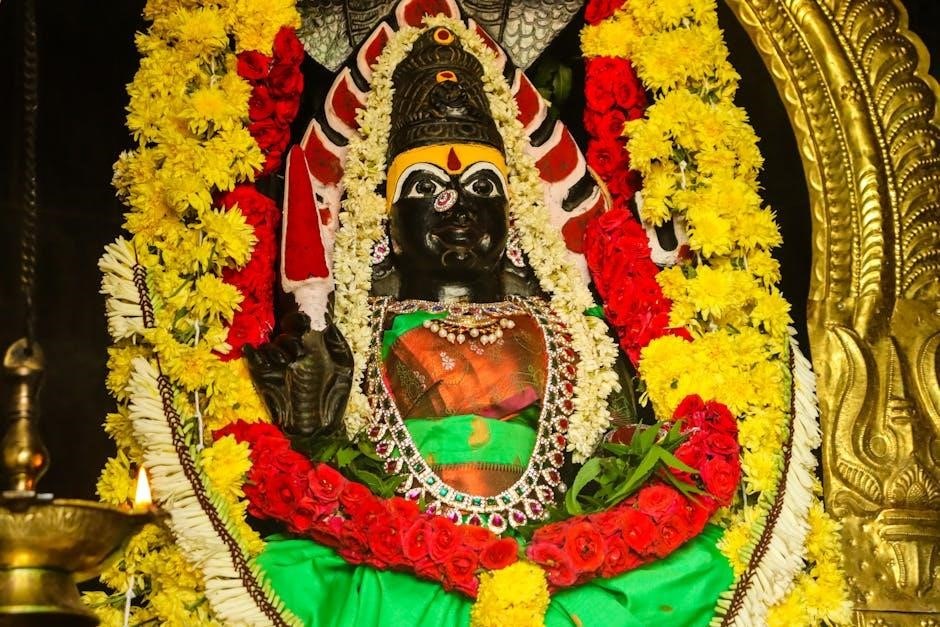
The hymn isn’t merely a recitation of verses; it’s a heartfelt offering to the Goddess, invoking her blessings and grace. Regular chanting is believed to remove obstacles, enhance fortune, and foster a deeper connection with the divine feminine energy. The availability of the text in Telugu ensures wider accessibility and allows a broader audience to partake in this sacred practice.
The Significance of Mahalakshmi
Goddess Mahalakshmi embodies not only material wealth but also spiritual prosperity, beauty, and auspiciousness. She is considered the source of all abundance, granting both worldly success and inner fulfillment. Her blessings extend beyond mere riches; she bestows wisdom, compassion, and the ability to live a life of purpose.
The Mahalakshmi Ashtakam serves as a powerful tool to connect with this divine energy. Each verse meticulously describes her attributes – her radiant form, her compassionate gaze, and her power to vanquish negativity. Reciting the Ashtakam is believed to purify the mind, attract positive vibrations, and create an environment conducive to growth.
Accessing the Mahalakshmi Ashtakam in Telugu, often found as a convenient PDF download on sites like Vignanam.org and Stotranidhi.com, allows devotees to engage with the hymn in their native language, deepening their understanding and devotion. The Telugu translations preserve the essence of the Sanskrit verses while making them accessible to a wider audience.
Ultimately, the significance of Mahalakshmi lies in her ability to uplift and empower, guiding individuals towards a life of harmony, prosperity, and spiritual enlightenment.
Origin and History of the Ashtakam
The precise origins of the Mahalakshmi Ashtakam remain shrouded in antiquity, deeply rooted in Vedic traditions and devotional practices. While a definitive author isn’t universally established, the hymn’s composition is believed to stem from a lineage of enlightened sages and devotees dedicated to Goddess Lakshmi. It likely evolved over centuries, refined through oral transmission and eventually codified into its present form.
Historically, the Ashtakam gained prominence as a central component of Lakshmi Puja rituals, particularly during festivals like Diwali and Vasantha Navaratri. Its verses were – and continue to be – chanted by devotees seeking blessings of wealth, prosperity, and well-being. The hymn’s accessibility, even in regional languages like Telugu, contributed to its widespread adoption.
Today, resources like Vignanam.org and Stotranidhi.com facilitate access to the Mahalakshmi Ashtakam in Telugu, often provided as a PDF for ease of study and recitation. This digital availability ensures the preservation and continued practice of this ancient hymn, connecting modern devotees with a rich spiritual heritage.
The enduring popularity of the Ashtakam speaks to its timeless relevance and the universal appeal of Goddess Lakshmi’s blessings.
The Structure of the Mahalakshmi Ashtakam
The Mahalakshmi Ashtakam, meaning “eight verses,” adheres to a classic poetic structure common in Sanskrit devotional hymns. Each of the eight verses (shlokas) is meticulously crafted, employing specific meters and rhyme schemes to enhance its aesthetic and spiritual impact. The verses are not isolated entities but rather build upon each other, progressively revealing the multifaceted glory of Goddess Lakshmi.
Typically, each verse begins with a respectful invocation – “Namaste” – followed by descriptive epithets highlighting different aspects of the Goddess. These attributes encompass her power, beauty, compassion, and role as the bestower of fortune. The verses often utilize imagery like the conch shell, chakra, and garland, symbolic of Lakshmi’s divine attributes.
Accessing the Mahalakshmi Ashtakam in Telugu, often available as a PDF from sites like Vignanam.org and Stotranidhi.com, reveals the consistent structure across translations. The concluding verse typically summarizes the benefits of reciting the Ashtakam with devotion.
This structured format aids memorization and facilitates a deeper understanding of the hymn’s underlying message, making it accessible to devotees of all levels.
Understanding the Sanskrit Verses
The Mahalakshmi Ashtakam is originally composed in Sanskrit, a language revered for its precision and spiritual depth. While direct translation provides a literal meaning, grasping the nuances requires understanding the cultural and philosophical context. Each Sanskrit word carries multiple layers of significance, enriching the hymn’s devotional power.
The verses employ epithets (gunas) that describe Goddess Lakshmi’s qualities – her role as the supreme illusion (Mahamaya), her association with Garuda, and her ability to remove suffering. Understanding these epithets unlocks a deeper appreciation for her divine nature.
Fortunately, Telugu translations, frequently found in PDF format on platforms like Vignanam.org and Stotranidhi.com, bridge this linguistic gap. These translations, often in “సరళ తెలుగు” (simplified Telugu), aim for clarity while preserving the essence of the original Sanskrit.
Studying both the Sanskrit and Telugu versions enhances comprehension. Resources offering word-by-word meanings alongside translations are invaluable for those seeking a profound connection with the Mahalakshmi Ashtakam.
Verse 1: Namaste Stu Mahamaye
The opening verse, “Namaste Stu Mahamaye,” sets the tone for the entire Mahalakshmi Ashtakam. “Namaste” is a respectful greeting, acknowledging the divine presence. “Mahamaye” identifies the Goddess as the great illusion, the power that creates and dissolves the universe. This isn’t negativity, but recognition of the world’s transient nature.
The verse continues, describing her seated on a sacred throne (Sri Pite) and worshipped by the celestial beings (Surapujite). She is adorned with a conch shell (Shankha), discus (Chakra), and mace (Gada) – symbols of her power and protection.
Telugu versions, readily available in PDF format from sources like Vignanam.org, translate these concepts into accessible language. The Telugu rendering maintains the reverence while clarifying the symbolism for devotees.
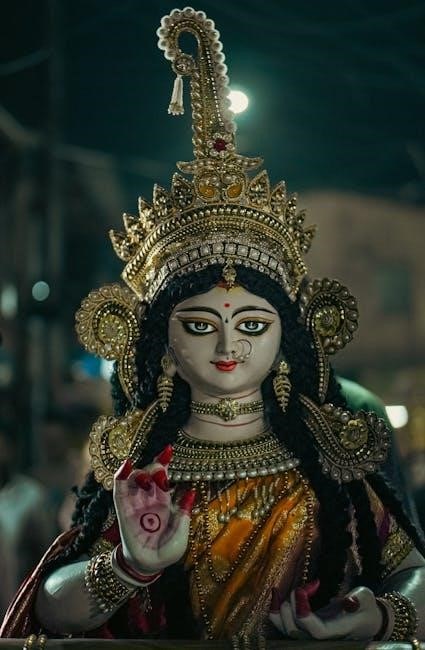
Chanting this verse invokes the Goddess’s blessings, acknowledging her supreme power and seeking her grace. The complete verse, as found in the Mahalakshmi Ashtakam PDF, is: “నమస్తేఽస్తు మహామాయే శ్రీపీఠే సురపూజితే । శంఖచక్ర గదాహస్తే మహాలక్ష్మి నమోఽస్తు తే ॥ 1 ॥”.
Verse 2: Namaste Garudaarudhe
The second verse, “Namaste Garudaarudhe,” beautifully depicts Goddess Lakshmi mounted on Garuda, the majestic eagle vehicle. Garuda symbolizes strength, speed, and the destroyer of obstacles. This imagery signifies Lakshmi’s power to swiftly overcome challenges and grant liberation.
The verse further describes her as terrifying to Kolasura, a demon representing ego and negativity. This highlights Lakshmi’s protective aspect, vanquishing inner demons and external threats. She is the remover of all sins (Sarvapaapahare), offering purification and renewal.
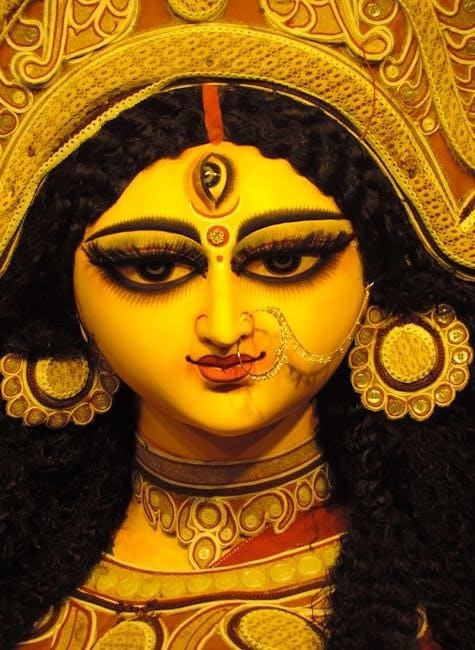
Accessing the Mahalakshmi Ashtakam in Telugu PDF format, as offered on platforms like Stotranidhi.com, allows for a deeper understanding of the nuances within the original Sanskrit and its Telugu translation. The Telugu script beautifully conveys the devotional sentiment.
The complete verse, “నమస్తే గరుడారూఢే కోలాసుర భయంకరి । సర్వపాపహరే దేవి మహాలక్ష్మి నమోఽస్తు తే ॥ 2 ॥”, when chanted with devotion, invokes her protective energy and blessings. It’s a powerful affirmation of faith and surrender.
Verse 3: Sarvagne Sarvavarade
The third verse, “Sarvagne Sarvavarade,” extols Goddess Lakshmi as the all-knowing (Sarvagne) and the fulfiller of all desires (Sarvavarade). This emphasizes her boundless wisdom and compassionate nature, capable of understanding and granting the needs of her devotees.
She is also described as frightening to all evil beings (Sarva Dushta Bhayamkari), reinforcing her role as a protector against negativity and harmful influences. Lakshmi’s power extends to alleviating all sorrows (Sarva Dukha Hare), offering solace and peace to those who seek her grace.
Finding the Mahalakshmi Ashtakam in Telugu PDF format, readily available on sites like Vignanam.org, provides access to the original verses and their Telugu interpretations. This allows for a more profound connection with the hymn’s meaning.
The verse, “సర్వజ్ఞే సర్వవరదే సర్వ దుష్ట భయంకరి । సర్వదుఃఖ హరే దేవి మహాలక్ష్మి నమోఽస్తు తే ॥ 3 ॥”, when recited with sincerity, invokes her blessings of knowledge, fulfillment, and freedom from suffering.
Verse 4: Siddhi Buddhi Prade Devi
The fourth verse, “Siddhi Buddhi Prade Devi,” glorifies Goddess Lakshmi as the bestower of success (Siddhi) and intellect (Buddhi). This highlights her role in empowering devotees with the capabilities needed to achieve their goals and make wise decisions. She is not merely a goddess of wealth, but also of wisdom and accomplishment.
Furthermore, she grants both worldly enjoyment (Bhukti) and liberation (Mukti), signifying a balanced path towards spiritual and material well-being. Lakshmi is described as the embodiment of mantras (Mantra Murte), a divine form accessible through sacred sound and devotion.
Accessing the Mahalakshmi Ashtakam in Telugu PDF format, easily found on platforms like Stotranidhi.com, allows for detailed study of each verse and its significance. The verse “సిద్ధి బుద్ధి ప్రదే దేవి భుక్తి ముక్తి ప్రదాయిని । మంత్ర మూర్తే సదా దేవి మహాలక్ష్మి నమోఽస్తు తే ॥ 4 ॥” is a powerful invocation for guidance and prosperity.
Consistent recitation of this verse is believed to enhance one’s intellect and pave the way for success in all endeavors.
Verse 5: Aadyanta Rahite Devi
Verse five, “Aadyanta Rahite Devi,” proclaims the Goddess as limitless and beyond beginning and end; This emphasizes Lakshmi’s eternal nature, existing outside the constraints of time and space. She is the primordial energy, the fundamental force underlying all creation – the Adi Shakti.
Described as the supreme power (Maheshwari), she embodies the divine feminine principle. Lakshmi is also recognized as the source of Yoga (Yoga Jne) and born from Yoga itself (Yoga Sambhute), linking spiritual practice with her divine presence.
For those seeking to deepen their understanding, the Mahalakshmi Ashtakam in Telugu, readily available as a PDF from sources like Vignanam.org, provides the original Sanskrit verses alongside transliterations and meanings. The verse “ఆద్యంత రహితే దేవి ఆదిశక్తి మహేశ్వరి । యోగజ్ఞే యోగ సంభూతే మహాలక్ష్మి నమోఽస్తు తే ॥ 5 ॥” is a potent affirmation of her boundless nature.
Chanting this verse fosters a sense of connection to the infinite and encourages transcendence beyond limitations.
Verse 6: Sthula Sukshma Maharoudre
The sixth verse, “Sthula Sukshma Maharoudre,” portrays Mahalakshmi as both gross (Sthula) and subtle (Sukshma), encompassing all levels of existence. She manifests powerfully as a fierce force (Maharoudre), a great roar, capable of dismantling negativity and obstacles. This highlights her dynamic energy and protective aspect.
Further emphasizing her power, the verse describes her as possessing immense strength (Maha Shakti) and a vast belly (Mahodare), symbolizing her capacity to contain and nurture the universe. She is the ultimate remover of great sins (Maha Papa Hare), offering liberation from karmic burdens.
To access and study this powerful verse within the complete hymn, devotees can find the Mahalakshmi Ashtakam in Telugu PDF format on websites such as Vignanam.org and Stotranidhi.com. The original Sanskrit – “స్థూల సూక్ష్మ మహారౌద్రే మహాశక్తి మహోదరే । మహా పాప హరే దేవి మహాలక్ష్మి నమోఽస్తు తే ॥ 6 ॥” – resonates with potent energy.
Regular recitation of this verse is believed to dissolve negativity and invoke divine protection.
Verse 7: Padmasana Sthite Devi
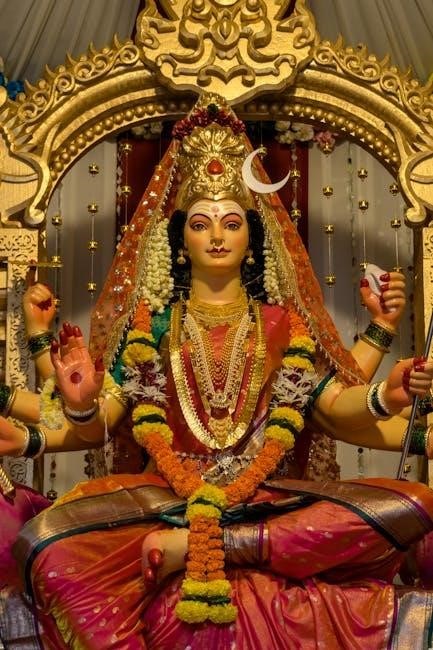
The seventh verse, “Padmasana Sthite Devi,” beautifully depicts Goddess Mahalakshmi seated in the lotus posture (Padmasana). This posture signifies purity, spiritual awakening, and detachment from worldly illusions. She is the embodiment of the ultimate reality, the supreme Brahman (Parabrahma Swaroopini), transcending all limitations.
As the supreme Goddess (Parameshi) and the Mother of the Universe (Jaganmatah), she is the source of all creation and sustenance. This verse emphasizes her divine nature and her role as the cosmic mother, nurturing and protecting all beings.
Devotees seeking to immerse themselves in the profound meaning of this verse can readily find the complete Mahalakshmi Ashtakam in Telugu PDF format. Resources like Vignanam.org and Stotranidhi.com provide accessible versions of the hymn, including the original Sanskrit – “పద్మాసన స్థితే దేవి పరబ్రహ్మ స్వరూపిణి । పరమేశి జగన్మాతః మహాలక్ష్మి నమోఽస్తు తే ॥ 7 ॥”.
Chanting this verse fosters inner peace and connects one to the divine source.
Verse 8: Shvetambharadhare Devi
The final verse, “Shvetambharadhare Devi,” glorifies Goddess Mahalakshmi adorned in white garments (Shvetambharadhare) and embellished with various ornaments (Nanalankara Bhooshite). White symbolizes purity, knowledge, and spiritual illumination, reflecting the Goddess’s immaculate nature.
She is the sustainer of the world (Jagasthite) and the Mother of the Universe (Jaganmatah), embodying both power and grace. This verse encapsulates the complete image of Mahalakshmi – radiant, benevolent, and the ultimate source of prosperity.
For those wishing to delve deeper into the hymn, the complete Mahalakshmi Ashtakam is easily accessible in Telugu PDF format. Websites such as Vignanam.org and Stotranidhi.com offer downloadable versions, including the original Sanskrit text – “శ్వేతాంబరధరే దేవి నానాలంకార భూషితే । జగస్థితే జగన్మాతః మహాలక్ష్మి నమోఽస్తు తే ॥ 8 ॥”.
Regular recitation of this verse, and the entire Ashtakam, is believed to invoke blessings of wealth, well-being, and spiritual growth.
Benefits of Reciting the Mahalakshmi Ashtakam
Reciting the Mahalakshmi Ashtakam is believed to bestow numerous benefits, attracting prosperity, abundance, and spiritual fulfillment. Devotees experience positive transformations in their lives through consistent practice. The hymn’s verses, when chanted with devotion (bhakti), are said to remove obstacles and grant success in all endeavors.
According to traditional beliefs, reciting the Mahalakshmi Ashtakam even once yields all accomplishments and dominion (Sarva Siddhi Mavapnoti, Rajyam Prapnoti Sarvada). Accessing the hymn in Telugu PDF format, readily available on sites like Vignanam.org and Stotranidhi.com, facilitates regular chanting.
Daily recitation is believed to eradicate significant sins (Maha Papa Vinashanam), while reciting it twice daily ensures wealth and prosperity (Dhanya Dhanya Samanvitah). Triple recitation is said to vanquish enemies (Maha Shatru Vinashanam), establishing Mahalakshmi’s constant presence and blessings.
Ultimately, consistent recitation fosters a connection with the divine feminine energy, leading to a life filled with auspiciousness and grace.
The Effects of Single, Dual, and Triple Recitations

The Mahalakshmi Ashtakam, easily found in Telugu PDF versions on platforms like Vignanam.org and Stotranidhi.com, yields varying benefits based on the frequency of recitation. The effects are clearly outlined in traditional texts.
A single, daily recitation is profoundly effective in dissolving major sins and negative karmas (Maha Papa Vinashanam). It initiates a cleansing process, paving the way for positive energy to flow. Consistent practice, even once a day, is considered highly auspicious.
Reciting the Ashtakam twice daily amplifies the benefits, attracting wealth, abundance, and prosperity in the form of grains and resources (Dhanya Dhanya Samanvitah). This dual recitation strengthens the devotee’s connection with Lakshmi’s blessings.
However, reciting the hymn three times daily is considered the most potent practice. It’s believed to completely destroy enemies and obstacles (Maha Shatru Vinashanam), ensuring Mahalakshmi’s constant grace and protection. This level of devotion establishes a lasting, harmonious relationship with the Goddess.
Finding the Mahalakshmi Ashtakam in Telugu PDF Format
Locating the Mahalakshmi Ashtakam in Telugu PDF format is remarkably straightforward, thanks to numerous online resources dedicated to spiritual and devotional literature. Several websites specialize in providing these sacred texts in various Indian languages.
Vignanam.org is a prominent source, offering a simplified Telugu version with correctly marked anusvaras, ideal for accurate pronunciation and understanding. Their digital library hosts a wealth of Sanskrit and Telugu devotional material.
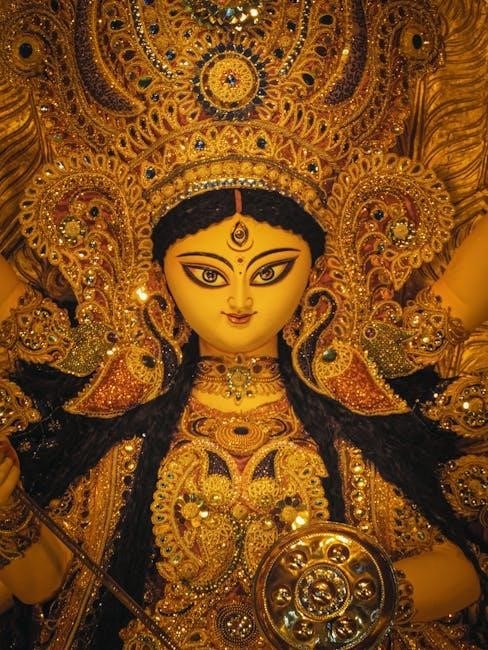
Alternatively, Stotranidhi.com provides the Sri Mahalakshmi Ashtakam with Telugu meanings, enhancing comprehension for those unfamiliar with Sanskrit. This site is particularly useful for studying the verses’ interpretations.
A quick internet search using keywords like “Mahalakshmi Ashtakam Telugu PDF” will also yield numerous results, including links to downloadable files from various devotional blogs and websites. Ensure the source is reputable before downloading. Many platforms offer free access, promoting widespread devotion to Goddess Lakshmi.
Resources for Learning and Chanting
Several resources cater to those seeking to learn and chant the Mahalakshmi Ashtakam effectively. Beyond simply obtaining a PDF version in Telugu, understanding the nuances of pronunciation and meaning deepens the devotional experience.
Stotranidhi.com stands out by providing Telugu translations alongside the Sanskrit verses, aiding comprehension for learners. This allows for a more meaningful connection with the hymn’s essence.
Vignanam.org offers a version with simplified anusvaras, crucial for accurate Telugu pronunciation. Correct articulation is believed to enhance the efficacy of the chanting.
YouTube channels dedicated to Hindu devotional music often feature audio recitations of the Ashtakam, allowing listeners to learn the correct melody and rhythm. Searching for “Mahalakshmi Ashtakam Telugu” will reveal numerous options.
Furthermore, many temples and spiritual organizations conduct classes on devotional chanting, providing guidance from experienced practitioners. Online forums and communities also offer a space for sharing knowledge and support.
Embracing the Blessings of Mahalakshmi
The Mahalakshmi Ashtakam, readily available in Telugu PDF format from sources like Vignanam.org and Stotranidhi.com, serves as a powerful conduit to connect with the divine energy of Goddess Lakshmi. Consistent recitation, whether daily, twice daily, or thrice daily, is believed to yield significant benefits – from overcoming obstacles and attaining prosperity to fostering inner peace and spiritual growth.
The hymn’s verses, when understood and chanted with devotion, are said to dispel negativity and attract auspiciousness. The simplicity of accessing the Ashtakam in Telugu makes it accessible to a wider audience, encouraging widespread participation in this sacred practice.
Ultimately, embracing the blessings of Mahalakshmi isn’t solely about material wealth; it’s about cultivating qualities like compassion, generosity, and gratitude. The Mahalakshmi Ashtakam is a beautiful reminder of these virtues and a pathway to a more fulfilling and harmonious life.
May the Goddess Lakshmi bestow her grace upon all who seek her blessings through this powerful hymn.