
Google Maps‚ alongside resources like ‘Maps 15 PDF’ searches‚ represents a pivotal shift in how we interact with spatial information and navigate our world.
What is Google Maps?
Google Maps is a web mapping platform and consumer application offered by Google. It provides detailed information about geographical regions and locations worldwide‚ including satellite imagery‚ street maps‚ 3D views‚ and real-time traffic conditions. Beyond its core mapping functions‚ Google Maps offers route planning for various modes of transportation – driving‚ public transit‚ walking‚ cycling‚ and even flights.
Interestingly‚ searches for resources like ‘Maps 15 PDF’ highlight a user need for downloadable‚ portable map data. While Google Maps excels in dynamic‚ online mapping‚ static PDF maps offer benefits like offline access and the ability to annotate or print specific areas. The official Google Maps Help Center provides tutorials and support for utilizing the platform effectively‚ complementing the need for supplementary resources.
Essentially‚ Google Maps is a powerful tool for exploration‚ navigation‚ and understanding our surroundings‚ and the demand for formats like PDF maps demonstrates a desire for flexible access to geographical information.
The History of Google Maps

Google Maps originated from the acquisition of Keyhole‚ Inc.‚ a geospatial data company‚ in 2004. Initially launched as a desktop application‚ it quickly transitioned to a web-based service in 2005‚ revolutionizing online mapping. Early iterations focused on satellite imagery and basic mapping features‚ evolving rapidly with the addition of Street View in 2007 and 3D mapping capabilities.
The enduring appeal of traditional map formats is reflected in searches for resources like ‘Maps 15 PDF’‚ suggesting a historical preference for tangible‚ downloadable maps. While Google Maps pioneered dynamic digital mapping‚ the need for offline access and printable versions persists. The official Google Maps Help Center has grown alongside the platform‚ offering support and tutorials throughout its evolution.
From its humble beginnings‚ Google Maps has become an indispensable tool‚ continually adapting to user needs and technological advancements‚ even as demand for alternative formats like PDF maps remains.

Core Functionalities of Google Maps
Google Maps’ core strengths—navigation‚ Street View‚ and real-time updates—contrast with static ‘Maps 15 PDF’ resources‚ offering dynamic‚ interactive exploration.
Navigation & Directions
Google Maps excels in providing turn-by-turn navigation for various modes of transport – driving‚ public transit‚ walking‚ cycling‚ and even ride-sharing options; The platform dynamically calculates routes‚ highlighting the optimal path in blue‚ while alternative routes appear in gray. This contrasts sharply with the static nature of resources like ‘Maps 15 PDF’ documents.
While a ‘Maps 15 PDF’ might offer a snapshot of a geographical area‚ Google Maps delivers real-time traffic updates and public transit schedules‚ adapting routes to current conditions. The ability to access directions on both desktop and mobile devices further enhances its usability. Some directional features within Google Maps are continually evolving and may have limited availability‚ showcasing its ongoing development. Ultimately‚ Google Maps provides a responsive and intelligent navigation experience‚ something a static PDF cannot replicate.
Driving Directions
Google Maps’ driving directions are a cornerstone of its functionality‚ offering detailed‚ step-by-step guidance. Unlike a static resource like a ‘Maps 15 PDF’‚ Google Maps incorporates live traffic data‚ rerouting drivers to avoid congestion and minimize travel time; This dynamic adjustment is crucial for efficient journeys.
The platform also provides estimated arrival times‚ speed limit displays‚ and incident reporting‚ enhancing driver awareness. While a ‘Maps 15 PDF’ might show road networks‚ it lacks the real-time intelligence of Google Maps. Furthermore‚ Google Maps supports multiple route options‚ allowing drivers to choose based on preference – fastest‚ shortest‚ or avoiding tolls. This contrasts with the fixed nature of information presented in a downloadable ‘Maps 15 PDF’ format‚ making Google Maps a superior tool for modern driving navigation.
Public Transit Options
Google Maps excels in providing comprehensive public transit directions‚ a feature absent in static resources like a typical ‘Maps 15 PDF’. It integrates real-time data for buses‚ trains‚ subways‚ and trams‚ displaying schedules‚ platform information‚ and potential delays. This dynamic information is invaluable for commuters.
Users can explore various transit routes‚ comparing travel times and costs. Google Maps even offers walking directions to and from transit stops‚ creating a seamless journey plan. A ‘Maps 15 PDF’‚ while potentially showing transit lines‚ cannot offer the live updates or multimodal integration of Google Maps. The platform’s ability to suggest optimal routes‚ considering transfers and service changes‚ surpasses the limitations of a fixed document. This makes Google Maps a superior tool for navigating public transportation systems compared to relying solely on a ‘Maps 15 PDF’;
Street View & 3D Mapping
Google Maps’ Street View and 3D mapping capabilities offer an immersive experience fundamentally different from traditional maps‚ including static ‘Maps 15 PDF’ documents. Users can virtually explore locations‚ viewing street-level imagery and rotating 3D models of buildings and landscapes. This provides a realistic preview of destinations‚ aiding in orientation and planning.
While a ‘Maps 15 PDF’ might depict geographical features‚ it lacks the visual depth and interactivity of Google Maps’ 3D environment. Street View allows users to “walk” through neighborhoods‚ examine storefronts‚ and assess accessibility – features impossible to replicate in a printed or static digital map. The dynamic nature of Google Maps’ imagery‚ regularly updated‚ further distinguishes it from the fixed perspective offered by a ‘Maps 15 PDF’‚ providing a more current and detailed representation of the world.
Understanding Cognitive Maps (Tolman’s Research)
Edward Tolman’s research on cognitive maps‚ dating back to 1948 and 1980‚ explored how organisms – including humans – create mental representations of spatial environments. This contrasts with simply reading a map‚ like a ‘Maps 15 PDF’‚ which provides external spatial information. Tolman’s experiments with rats demonstrated an internal “map” allowing navigation even with blocked routes.
Google Maps‚ while a digital tool‚ taps into this inherent human ability to form cognitive maps. The interactive nature of Google Maps‚ unlike a static ‘Maps 15 PDF’‚ encourages users to build and refine their mental models of space. Features like Street View and 3D mapping enhance this process‚ providing richer sensory input for cognitive map construction. Essentially‚ Google Maps doesn’t just show us a map; it helps us create one in our minds.

Advanced Features & Tools
Google Maps’ tools‚ beyond basic navigation‚ offer powerful functionalities; exploring resources like a ‘Maps 15 PDF’ can supplement these digital capabilities.
Creating & Editing Maps
Google Maps empowers users to move beyond simply viewing maps and actively participate in their creation and modification. Through “My Maps‚” individuals can craft custom maps tailored to specific needs‚ marking locations‚ drawing lines‚ and adding descriptive details. This functionality is particularly useful for planning trips‚ highlighting points of interest‚ or visualizing spatial data.
While Google Maps provides robust editing tools‚ sometimes users seek alternative formats or pre-existing map data. This is where searches for resources like a ‘Maps 15 PDF’ become relevant. These PDFs might contain detailed maps for specific regions‚ potentially offering information not readily available within the Google Maps interface. Users can then potentially integrate information from these PDF maps into their custom Google Maps creations‚ enhancing their personalized cartographic projects. The ability to import or overlay data from external sources expands the creative possibilities within the platform‚ allowing for truly unique and informative map designs.
Sharing Maps with Others
Google Maps facilitates seamless collaboration and knowledge dissemination through its sharing features. Custom maps created within “My Maps” can be easily shared with specific individuals or made publicly accessible via a link. This enables collaborative planning‚ allows others to benefit from curated points of interest‚ and fosters a sense of community around shared spatial understanding.
However‚ scenarios arise where sharing a map in a static‚ universally accessible format is preferred. This is where the relevance of resources like a ‘Maps 15 PDF’ emerges. Converting a Google Map to a PDF allows for offline viewing and distribution without requiring recipients to have a Google account or internet access. A ‘Maps 15 PDF’ could represent a pre-existing map shared in this format‚ or serve as a model for how to best present map data for broader consumption‚ ensuring accessibility and preservation of spatial information beyond the digital realm.
Real-Time Traffic & Transit Updates
Google Maps excels at providing dynamic‚ up-to-the-minute information regarding traffic conditions and public transportation schedules. This real-time data empowers users to make informed decisions about their routes‚ minimizing delays and optimizing travel times. The system leverages crowdsourced data and partnerships with transit agencies to deliver accurate and timely updates.
While this dynamic information is invaluable‚ there are instances where a static snapshot of a map‚ perhaps resembling information found within a ‘Maps 15 PDF’ document‚ is beneficial. For example‚ pre-planning a route and documenting expected conditions for reporting or archival purposes. A ‘Maps 15 PDF’ could represent a historical record of traffic patterns or transit routes at a specific time. Although lacking the live updates of Google Maps‚ a PDF provides a stable‚ shareable record of spatial data‚ complementing the platform’s real-time capabilities.

Google Maps for Mobile Devices
Google Maps mobile apps offer convenient access to mapping features‚ and ‘Maps 15 PDF’ resources can supplement mobile navigation when connectivity is limited.
Using the Google Maps App
The Google Maps app delivers a powerful suite of location-based services directly to your smartphone or tablet. Beyond real-time navigation for driving‚ walking‚ cycling‚ and public transit‚ the app allows users to explore locations with Street View and detailed 3D mapping. A key benefit is the ability to download sections of maps for offline use‚ crucial when traveling in areas with limited or no internet connectivity.
Interestingly‚ users sometimes seek supplementary map data‚ leading to searches for resources like ‘Maps 15 PDF’. These PDFs can provide detailed‚ static maps for specific regions‚ potentially useful for pre-trip planning or as a backup. The app also facilitates discovering local businesses‚ reading reviews‚ and accessing up-to-date traffic information. Regularly updated‚ the Google Maps app continues to evolve‚ integrating new features and improving its overall user experience.
Offline Maps & Navigation
Google Maps offers a valuable feature: the ability to download map areas for offline navigation. This is incredibly useful in situations with unreliable or expensive data connections‚ allowing continued use of turn-by-turn directions and search functionality within the downloaded region. While online access provides real-time traffic updates‚ offline maps ensure you won’t get lost even without a signal.
The need for readily available‚ detailed maps sometimes prompts users to search for resources like ‘Maps 15 PDF’. These downloadable PDF maps can serve as a supplementary resource‚ offering a static‚ printable version of a specific area. However‚ they lack the dynamic features of Google Maps. Offline maps within the app are regularly updated when a connection is available‚ ensuring accuracy. This combination of app functionality and potential PDF backups provides robust navigational support;

Google Maps Help & Support
Official Google Maps Help provides tutorials and FAQs; searching for resources like ‘Maps 15 PDF’ offers supplemental‚ static map information.
Official Google Maps Help Center
Google’s official Maps Help Center serves as a comprehensive resource for users seeking assistance with all facets of the platform. It offers detailed tutorials‚ troubleshooting guides‚ and answers to frequently asked questions‚ covering everything from basic navigation to advanced features like creating custom maps and utilizing Street View.
While the Help Center excels at addressing dynamic‚ online map functionalities‚ users sometimes require static map representations for offline use or specific documentation purposes. This is where searches for resources like ‘Maps 15 PDF’ become relevant. These searches often lead to downloadable PDF maps‚ potentially offering detailed geographical information for specific regions or cities.
However‚ it’s crucial to verify the source and accuracy of any externally sourced PDF maps‚ as they may not reflect the most up-to-date information available within Google Maps itself. The Help Center can guide users on interpreting map data and understanding potential discrepancies between online and offline map versions.
Frequently Asked Questions (FAQ)
Q: Why would someone search for “Maps 15 PDF”? A: Users often seek downloadable PDF maps for offline access‚ printing‚ or specific documentation needs‚ especially when internet connectivity is limited. These PDFs can provide detailed geographical data without requiring an online connection.
Q: Are PDF maps as accurate as Google Maps? A: Generally‚ no. Google Maps is continuously updated with real-time information. PDF maps represent a snapshot in time and may contain outdated details regarding roads‚ businesses‚ or points of interest.
Q: Where can I find reliable PDF maps? A: Exercise caution when downloading maps from unofficial sources. Look for maps from reputable cartographic agencies or government organizations. Always verify the map’s publication date. Google’s Help Center doesn’t directly offer “Maps 15 PDF” but guides users on map reading and data interpretation‚ assisting in evaluating any external PDF map’s validity.
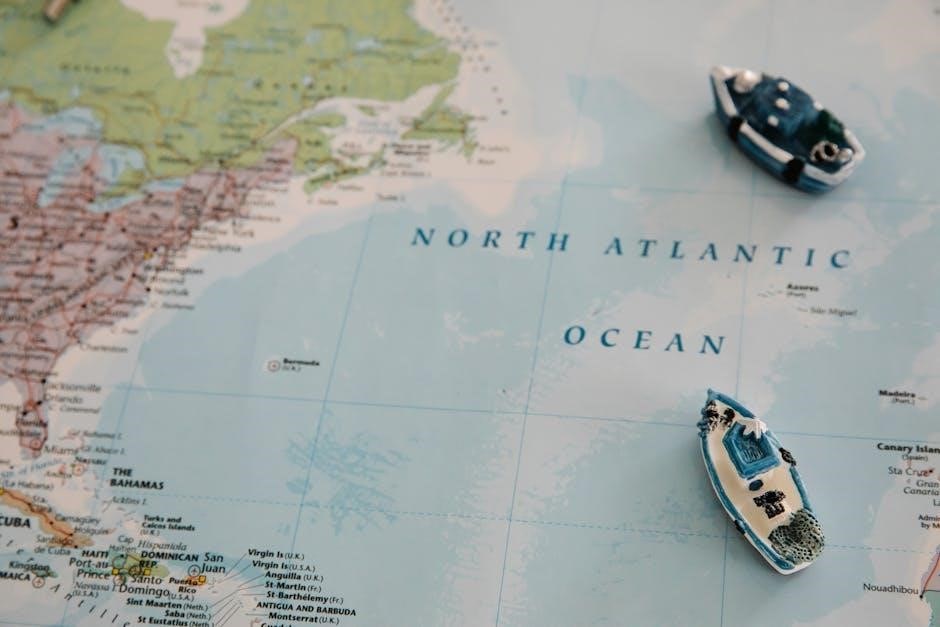
Web Map Tasks & Applications
Web maps‚ like those potentially found as ‘Maps 15 PDF’ resources‚ facilitate access to geospatial information for urban planning and analysis.
Accessing Geoportal Information
Geoportals serve as crucial gateways to accessing a wealth of geographically referenced data‚ often including downloadable map resources. Searching for terms like ‘Maps 15 PDF’ can lead users to specific geoportal offerings‚ potentially containing detailed urban planning information or specialized cartographic datasets. These portals frequently house electronic maps‚ offering access to gradostroitelnaya (urban construction) information for specific territories‚ as evidenced by examples like TAROPO. O‚uk.
The availability of information varies‚ but these resources often provide detailed layers for analysis. Accessing these maps‚ sometimes in PDF format‚ allows for offline viewing and integration into GIS projects. Understanding the source and metadata associated with any ‘Maps 15 PDF’ download is vital for ensuring data accuracy and appropriate usage within professional applications. Geoportals streamline the process of obtaining critical spatial data for diverse tasks.
Digital Mapping & Urban Planning
Digital mapping is fundamentally transforming urban planning‚ enabling data-driven decision-making and efficient resource allocation. The search for resources like ‘Maps 15 PDF’ highlights the demand for readily available‚ detailed cartographic information within this field. These maps often contain gradostroitelnaya information – crucial for urban construction and development projects‚ as seen in examples like those from TAROPO. O‚uk.

PDF map formats facilitate easy sharing and integration into planning workflows. Access to these resources allows planners to analyze spatial relationships‚ assess infrastructure needs‚ and visualize proposed developments. Utilizing such maps‚ including those found via ‘Maps 15 PDF’ searches‚ enhances the precision and effectiveness of urban planning initiatives‚ leading to more sustainable and livable cities.

PDF Maps & Resources (Focus on ‘Maps 15 PDF’ Search)
‘Maps 15 PDF’ searches reveal a need for accessible cartographic data‚ often containing gradostroitelnaya information vital for planning and analysis.
Locating & Utilizing PDF Maps Online
The search term ‘Maps 15 PDF’ frequently leads to resources containing digitized cartographic materials‚ often originating from governmental or urban planning sources. These PDFs can encompass a wide range of geographical data‚ including city plans‚ topographic maps‚ and cadastral information. Locating these resources often involves targeted searches on academic databases‚ government websites‚ and specialized map repositories.
Utilizing these PDF maps requires appropriate software for viewing and analysis. Standard PDF readers are sufficient for basic visualization‚ but GIS software can unlock advanced functionalities like georeferencing and spatial analysis. Understanding the source and metadata associated with the ‘Maps 15 PDF’ document is crucial for assessing its accuracy and reliability. Resources like TAROPO and gradostroitelnaya information portals may host such files‚ demanding careful examination of their origin and purpose.
Converting Maps to PDF Format
While searching for ‘Maps 15 PDF’ often yields pre-existing documents‚ converting existing maps to PDF format is a common requirement for sharing and archiving. Numerous methods exist‚ ranging from simple screenshot captures to utilizing specialized GIS software. Scanning physical maps and employing Optical Character Recognition (OCR) can create searchable PDF documents‚ though accuracy depends on scan quality.

Dedicated GIS programs allow direct export to PDF‚ preserving geospatial data and map layers. Online converters offer a quick solution for simpler maps‚ but may compromise quality or introduce errors. When converting‚ consider resolution settings to balance file size and visual clarity. Ensuring the resulting PDF is accessible – with proper tagging and text descriptions – is vital for inclusivity and usability‚ especially when referencing resources like ‘Maps 15 PDF’.